
Hands up if you frequently feel like you need to stretch your hip flexors, but it’s been happening for a while and it’s just not improving, and your lower back’s starting to feel tight too…
Well, you might want to consider adding strength training for your hip flexors!
Anatomy
First, let’s take a look at the primary group of muscles that make up our hip flexors.
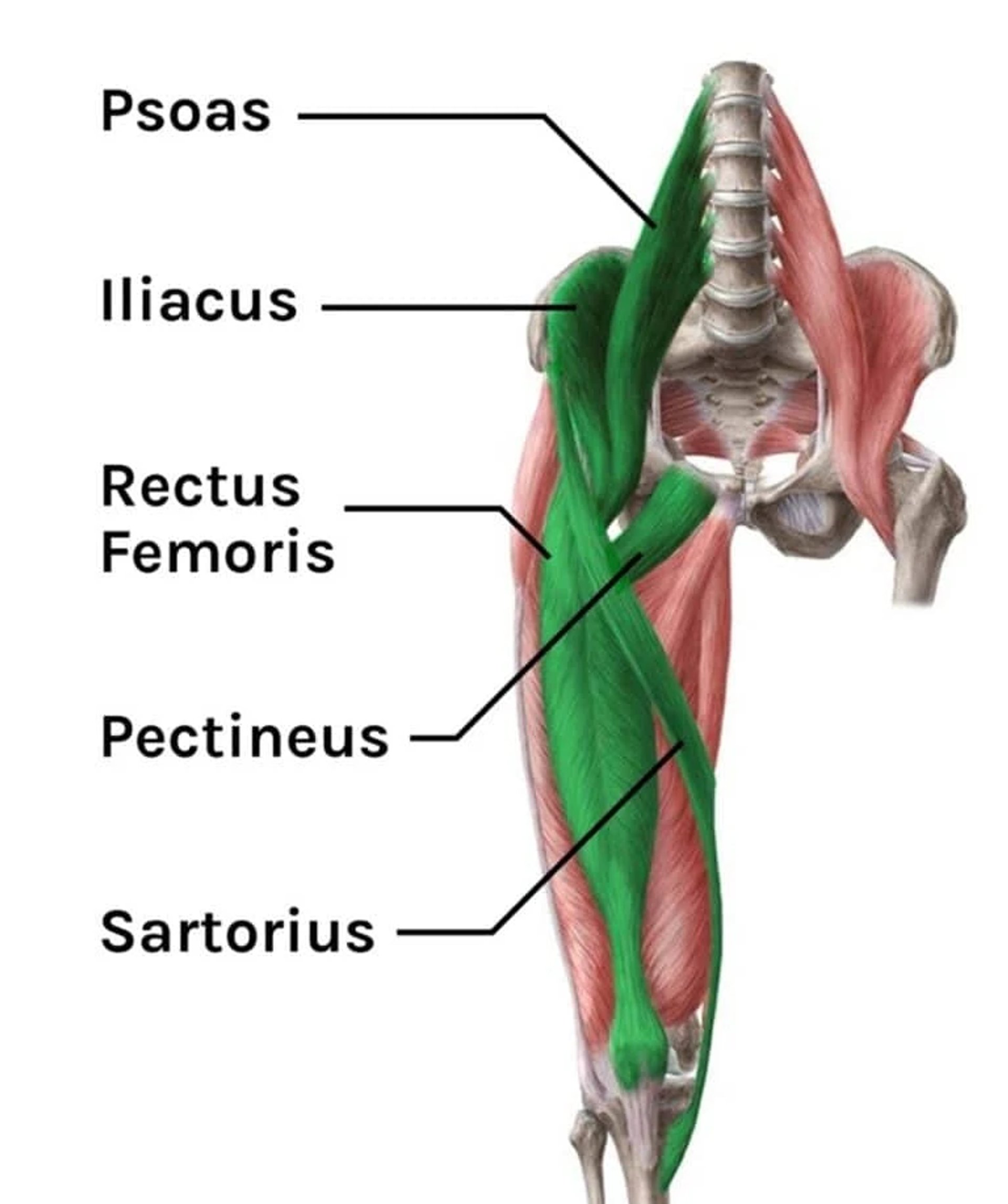
Iliacus: Performs flexion of the hip, and external rotation. Helps in maintaining proper body posture, and also contributes to anterior pelvic tilt. When combined with the psoas muscle, the iliopsoas is considered the strongest hip flexor in the body.
Psoas: A hip flexor, hip adductor, and hip external rotator. Also assists in trunk movement when in lying and standing. Combines with iliacus to form iliopsoas
Rectus Femoris: A quadriceps muscle that crosses both the knee and hip joints. Assists iliopsoas to flex the hip, especially when the knee is bent.
Sartorius: Flexes the hip, and assists in abduction and external rotation. Also flexes the knee. Plays a role in stabilizing the pelvis.
Pectineus: Flexes and adducts the hip joint.
Hip flexors are made up of a group of muscles working together to perform the movement. These muscles can be affected by tightness or weakness.
Hip Flexor Tightness
Some common causes of hip flexor tightness:
- Prolonged sitting periods at work or in school
- Increased volume or intensity of exercise
- Type of movement e.g. running requires repetitive hip flexion
- Weak core muscles: hip flexors assist in stabilizing the spine, especially if core strength is insufficient
- History of hip injury
Some signs of hip flexor tightness:
- Stiffness
- Decreased range of motion
- Tenderness upon pressing the muscle
- Tightness or aching in lower back, especially when in standing
Hip Flexor Weakness
Common signs of hip flexor weakness:
- “Heavy” legs when going up stairs, or tripping when walking on flat ground
- Unable to perform a knee to chest movement without using hands to assist
- Natural and comfortable posture is with hips and knees hyperextended – possibly overstretched and weakened hip flexors
Factors contributing to hip flexor weakness:
- History of hip or back injury
- Muscle imbalance
- Excessive sitting
- Sedentary lifestyle
Can Muscles Be Both Tight and Weak at the Same Time?
Yes! Think of it this way – the hip flexors shorten during contraction (e.g. bringing knee to chest movement), and lengthen when the hip returns to neutral or goes into hip extension.
If the hip were to be constantly kept in a flexed position because of tight hip flexor muscles or day to day activities, the hip would not be moving through its full range, and would become weaker over time, while also gradually becoming tighter.
To be able to have maximum strength and range of movement, optimal muscle length is required to allow the hip flexors to generate force effectively.
Chronic tightness can limit the muscles’ ability to contract and lengthen optimally, resulting in weakness over time.
Muscles can be both tight and weak.
Movement Screening
Tightness
1) Wall Pelvic Tilt
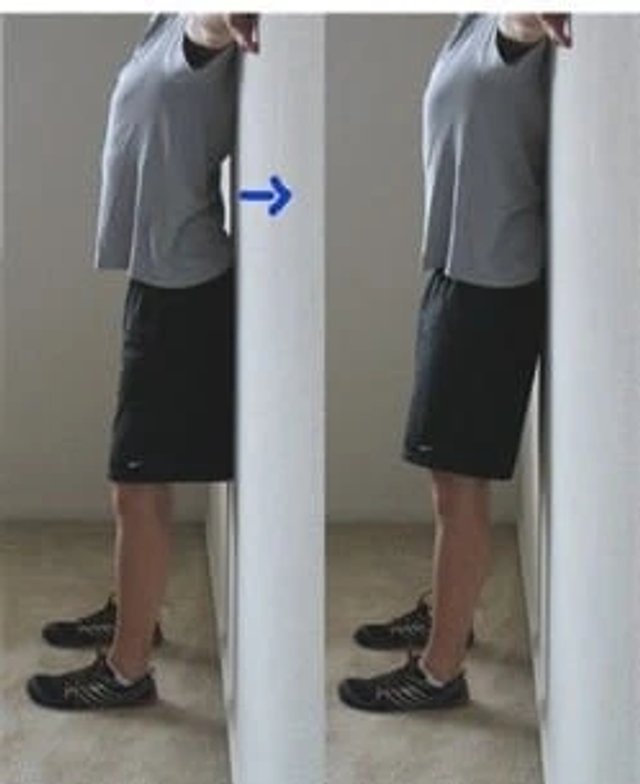
- Stand with your back against a wall, feet apart, with shoulders and head touching the wall
- Do a posterior pelvic tilt so your lower back is touching the wall
Results:
- Able to posteriorly tilt your pelvis to flatten your back with hips and knees straight: Normal.
- Needs to bend knees and flex hips to be able to tilt pelvis posteriorly: tight hip flexors
2) Thomas Test
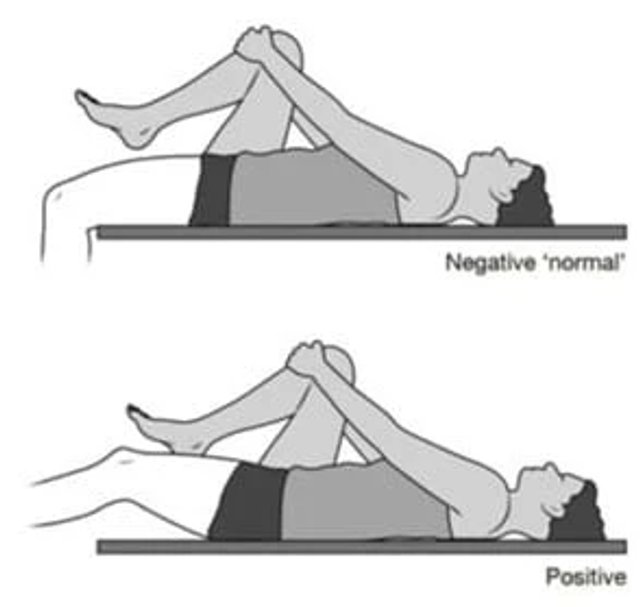
- Lie flat on your back with the non-testing leg in 90 degrees of hip flexion
- Lower the testing leg towards the ground
Results:
- Back of thigh touches the plinth or table: negative (i.e. normal hip flexor length)
- Thigh unable to touch table, knee extends, thigh abducts or externally rotates:
positive (i.e. tightness in hip flexors)
Strength
1) Standing Hip Flexion
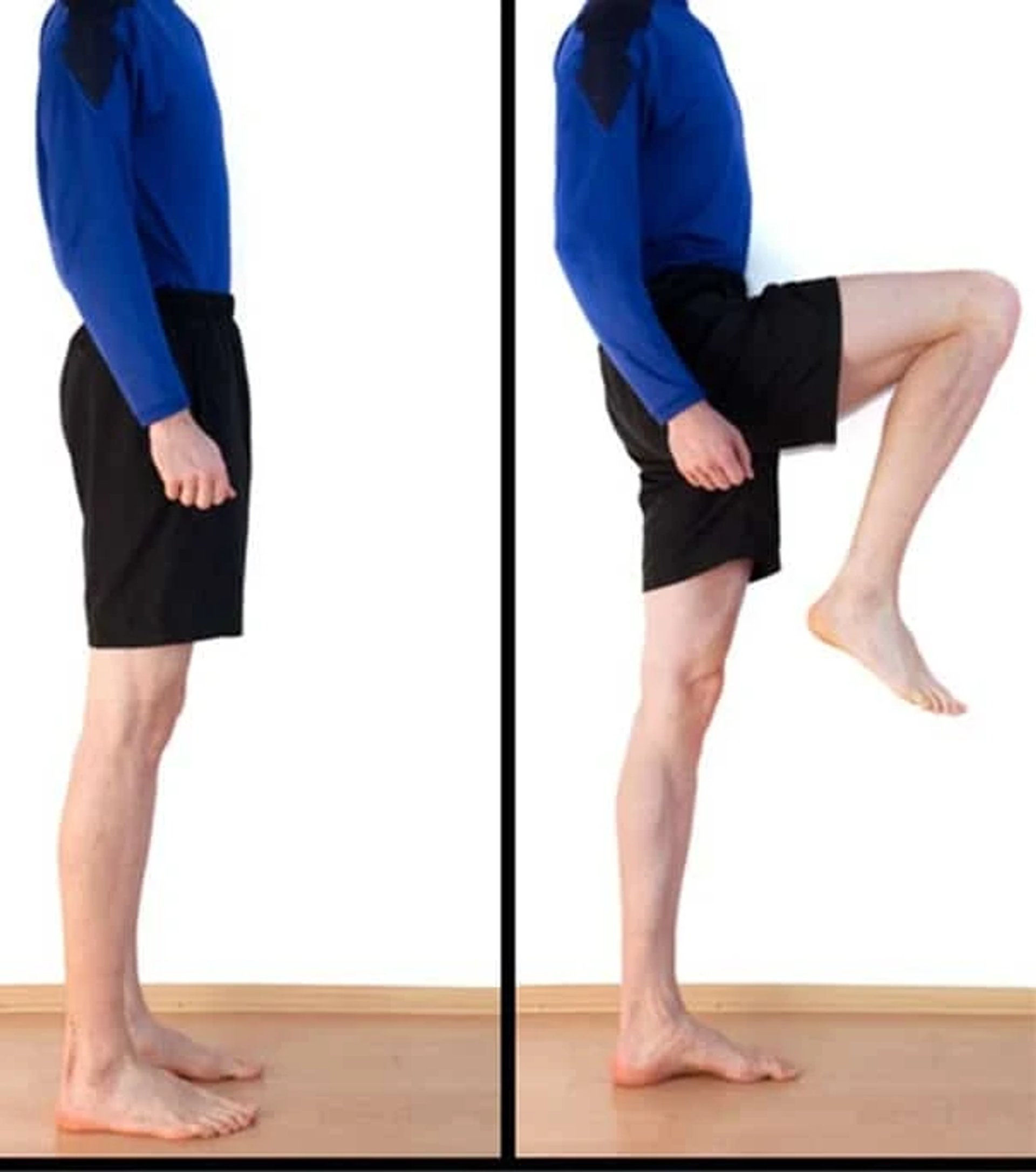
- Bring one knee as close to chest as possible (allowed to use hands)
- Remove hands and maintain knee height for 10 seconds
Results:
- Able to hold the position: normal
- Unable to hold position: weakness in hip flexors
Simple Exercises to Try
Exercises targeting hip flexor strength
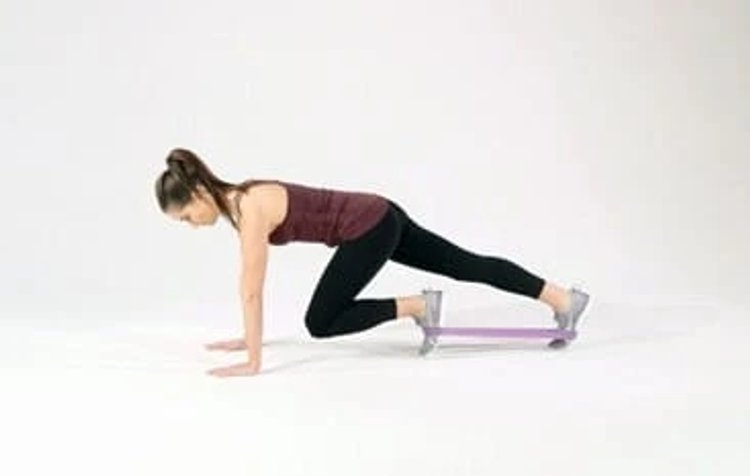
1) Banded Mountain Climbers (good for core stability, hip flexors and glutes strength)
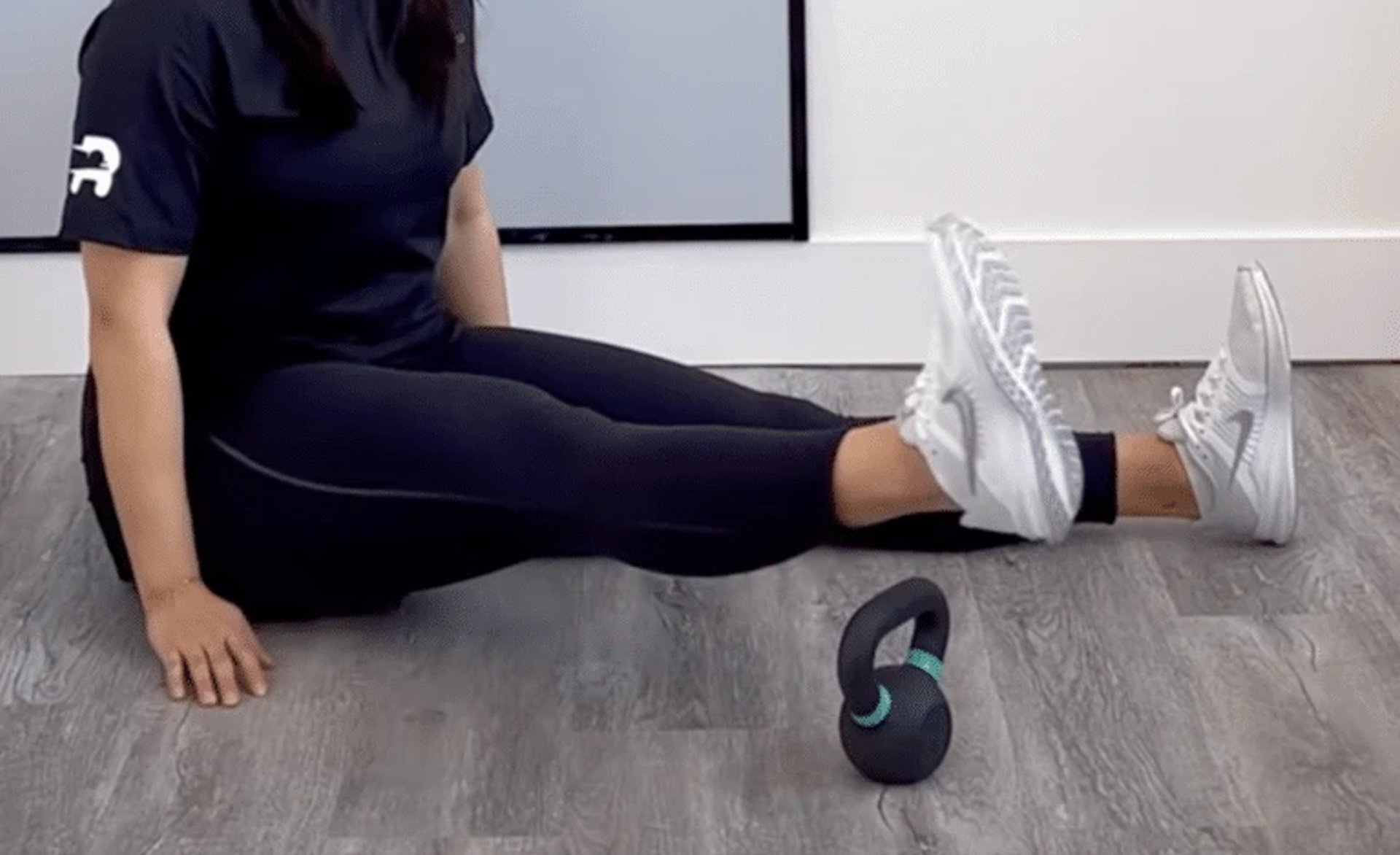
2) Seated Leg Lifts
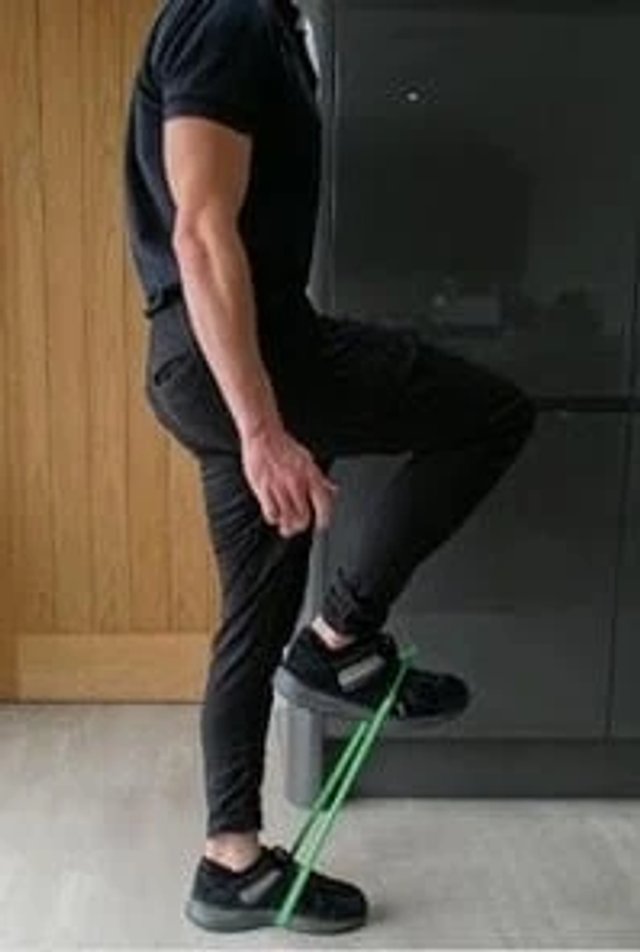
3) Standing Hip Flexion (can be done with resistance bands, kettlebells, or cables)
Exercises targeting hip flexor length and flexibility
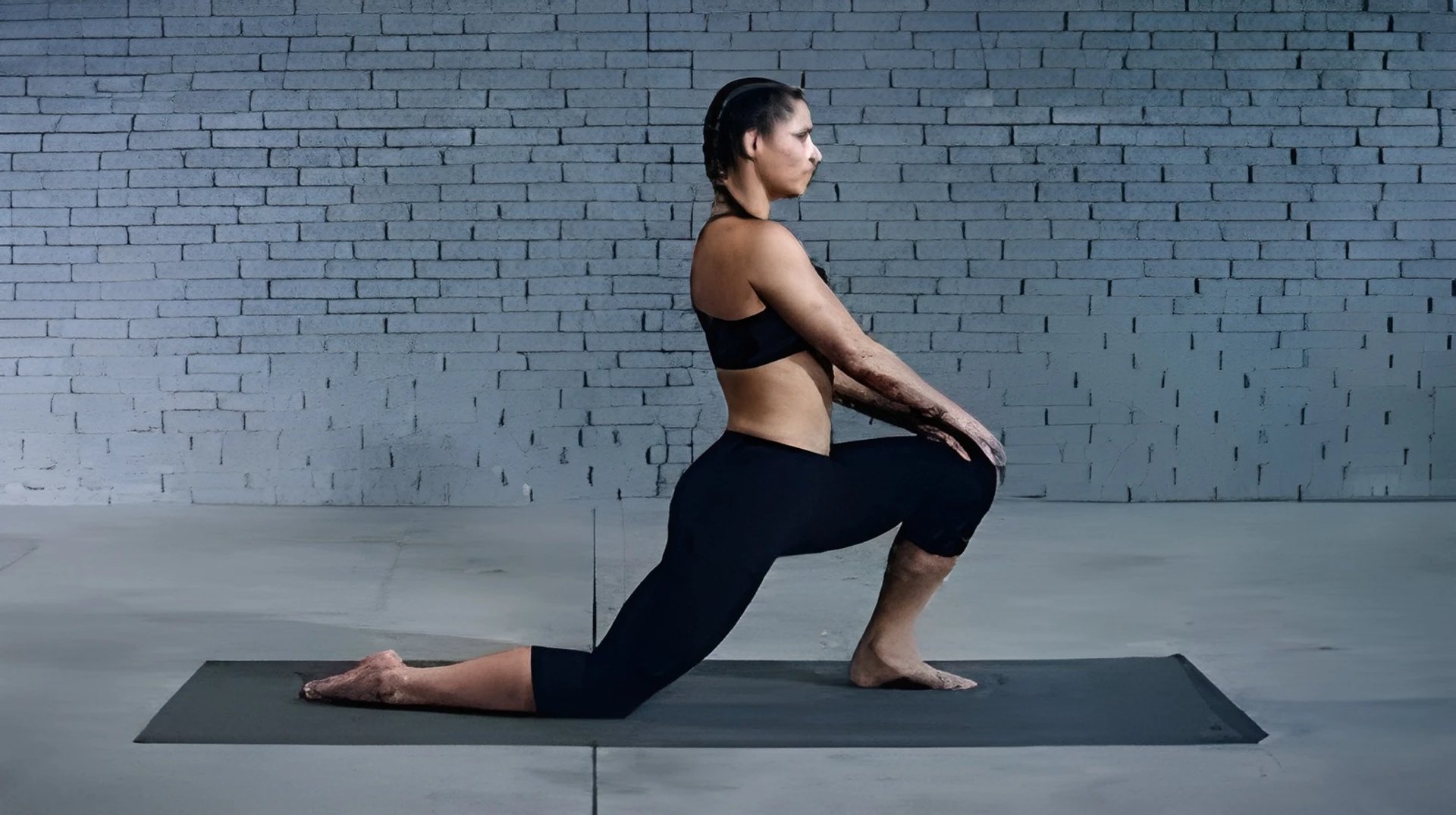
1) Kneeling stretch
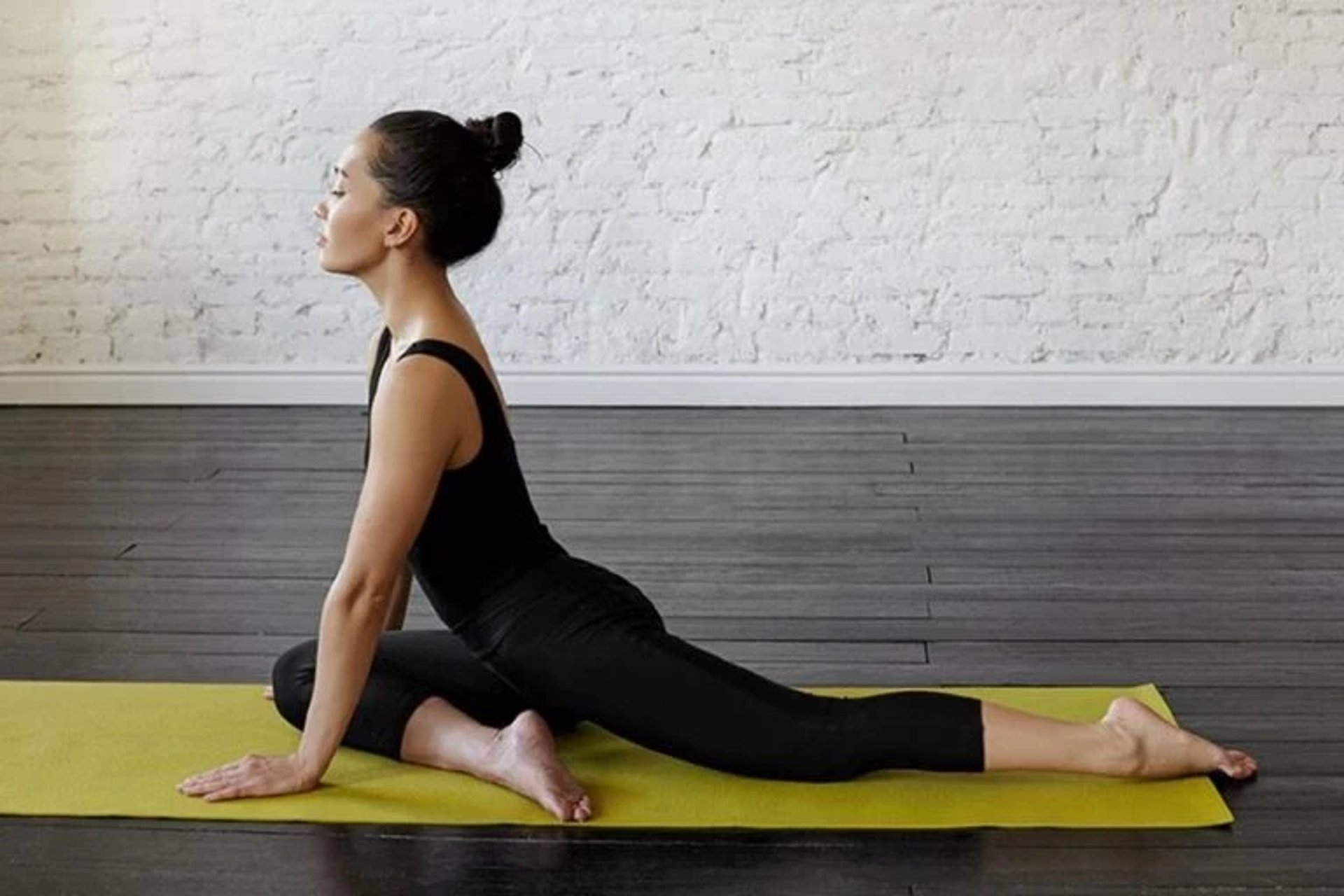
2) Pigeon stretch
Stretching alone won't fix a hip flexor that's tight because it's weak. If yours isn't improving, book in and we'll work out what it actually needs.