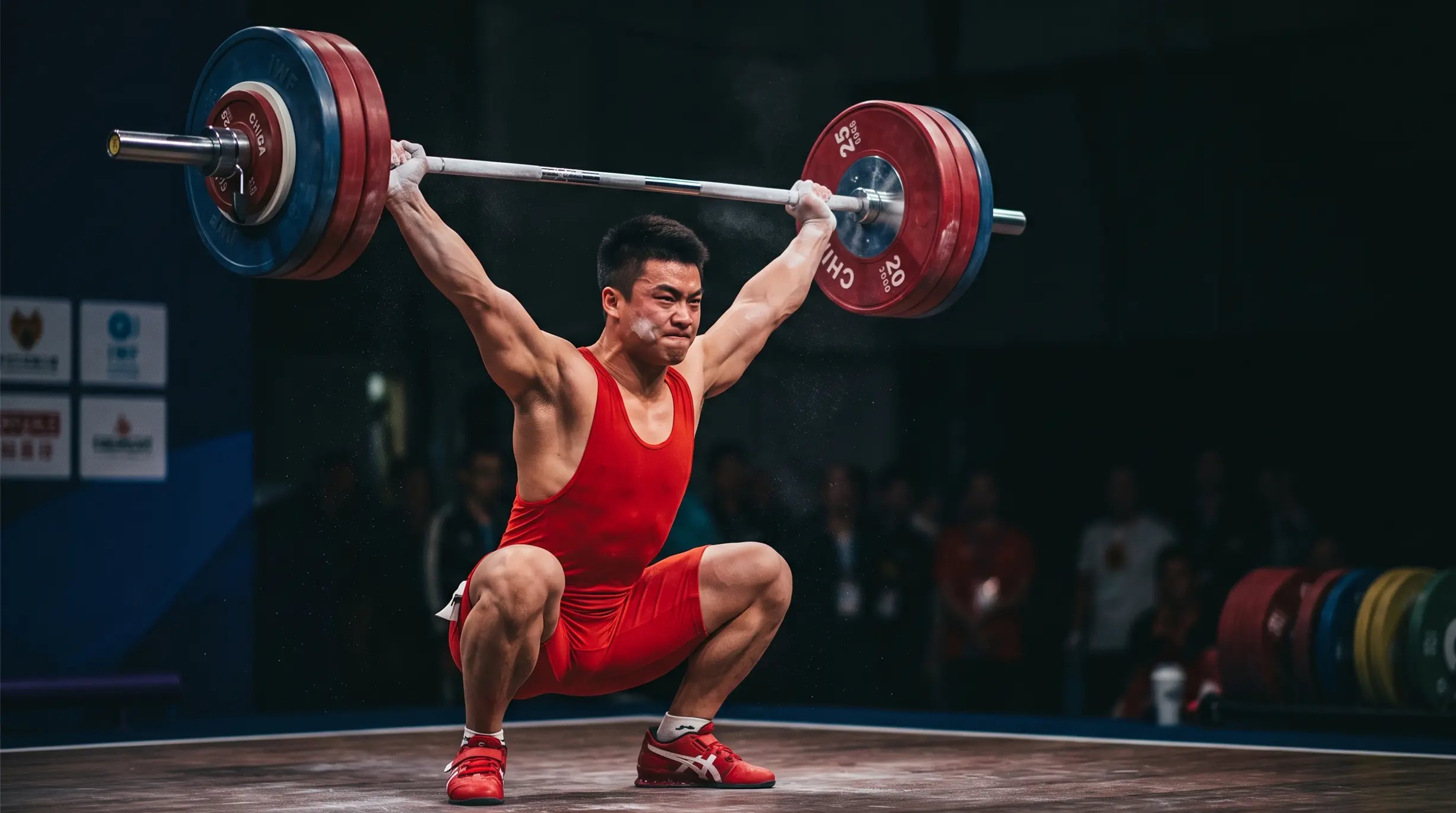

We engage in overhead activities daily, but we often take the ability to do so for granted. Daily activities such as washing your hair, hanging up laundry, placing things onto a high shelf or even high fiving a taller friend all require an overhead movement of our arm. If lifting your arm overhead feels painful, stiff or weak, it certainly will affect how you perform daily activities. This goes to show that overhead strength isn’t just for gym-goers or athletes.
What exactly is overhead strength? It refers to the ability to lift, hold, and control your arms above your head safely and comfortably during daily activities, exercise and sports. It’s important to note that it isn’t just about lifting heavy things overhead, but more so about controlling the arm in that position. The body can do this due to the great teamwork of muscles from the shoulder, upper back and core. Weakness in overhead strength can lead to fatigue and injuries in the shoulder, as well as over-compensation from the neck. Lack of overhead strength can also lead to pain in the shoulder, sometimes even without a specific injury. This can be due to a gradual overload of structures around the shoulder or poor tolerance to overhead positions. Like many other body parts, pain in the shoulder can also be due to a capacity-problem and not due to damage.
There is strong evidence that suggests many people today have reduced upper-body functional strength, these include the muscles and movement patterns that support overhead tasks. This is a result of widespread inactivity, age-related decline and habitual postures from desk-based lifestyles in today’s world. Addressing this proactively through strength and movement training isn’t just athletic, it’s functional and preventative.
Here are some general signs that may indicate you should start improving your overhead strength:
- Overhead activities feel too ‘heavy’ quickly, arms fatigue fast resulting in frequent breaks for simple tasks, i.e. hanging laundry, shelving – this could be a sign of load intolerance and poor endurance
- Continuous avoidance of overhead activities – avoidance could be a sign of reduced confidence and capacity
- Increased tension in the neck and upper-back after overhead activities – this may suggest a lot of compensations from the neck and upper back to help the shoulder
- Loss of control when lowering arms with or without load; it could be that lowering objects are more difficult than lifting – this can indicate reduced eccentric strength of the shoulder
- Shoulder pain or discomfort appears hours after performing the task and not during – this pattern of symptoms often reflects an overload beyond current capacity
If you do experience such signs and symptoms, it is recommended to start some overhead strengthening. Exercises can be done with basic items in the house, without need to buy any additional equipment. Below are some simple exercises you can try out! Do note that there are many other exercises that can help too. Exercises should feel challenging but not painful and experiencing muscle fatigue is normal.
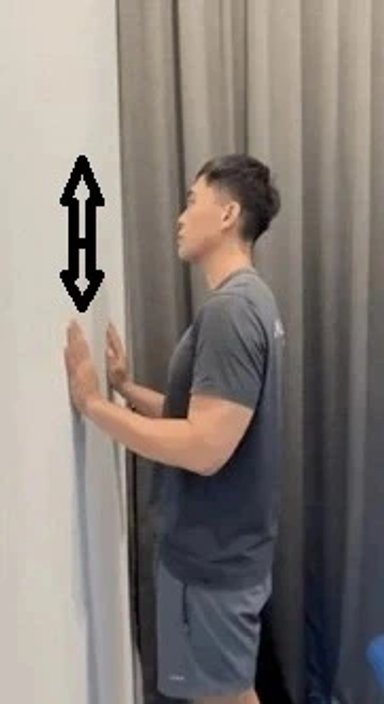
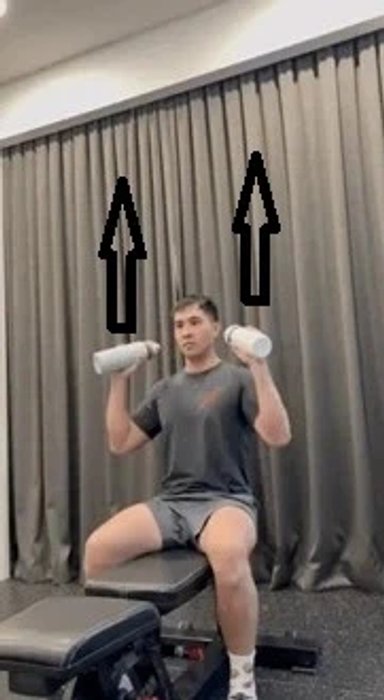
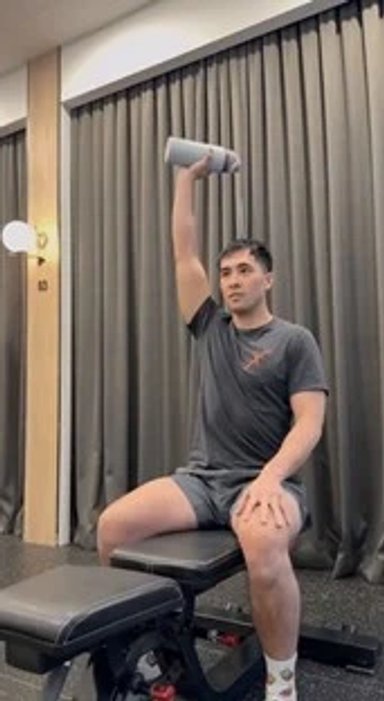
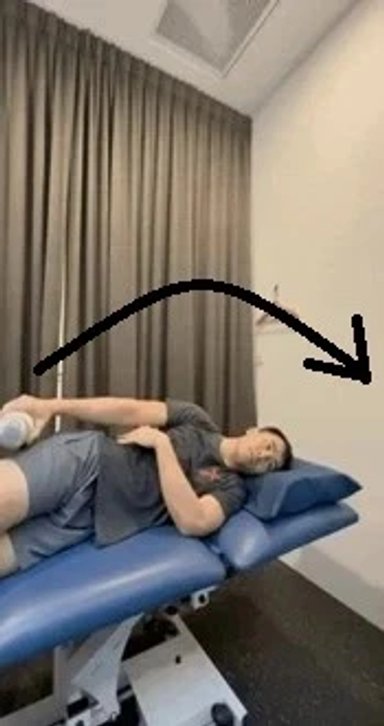
In conclusion, having good overhead strength can support daily life and is good for long-term shoulder health. Prolonged avoidance of painful movements can lead to more intolerance. What you can change is building up capacity to increase your confidence in performing these activities.
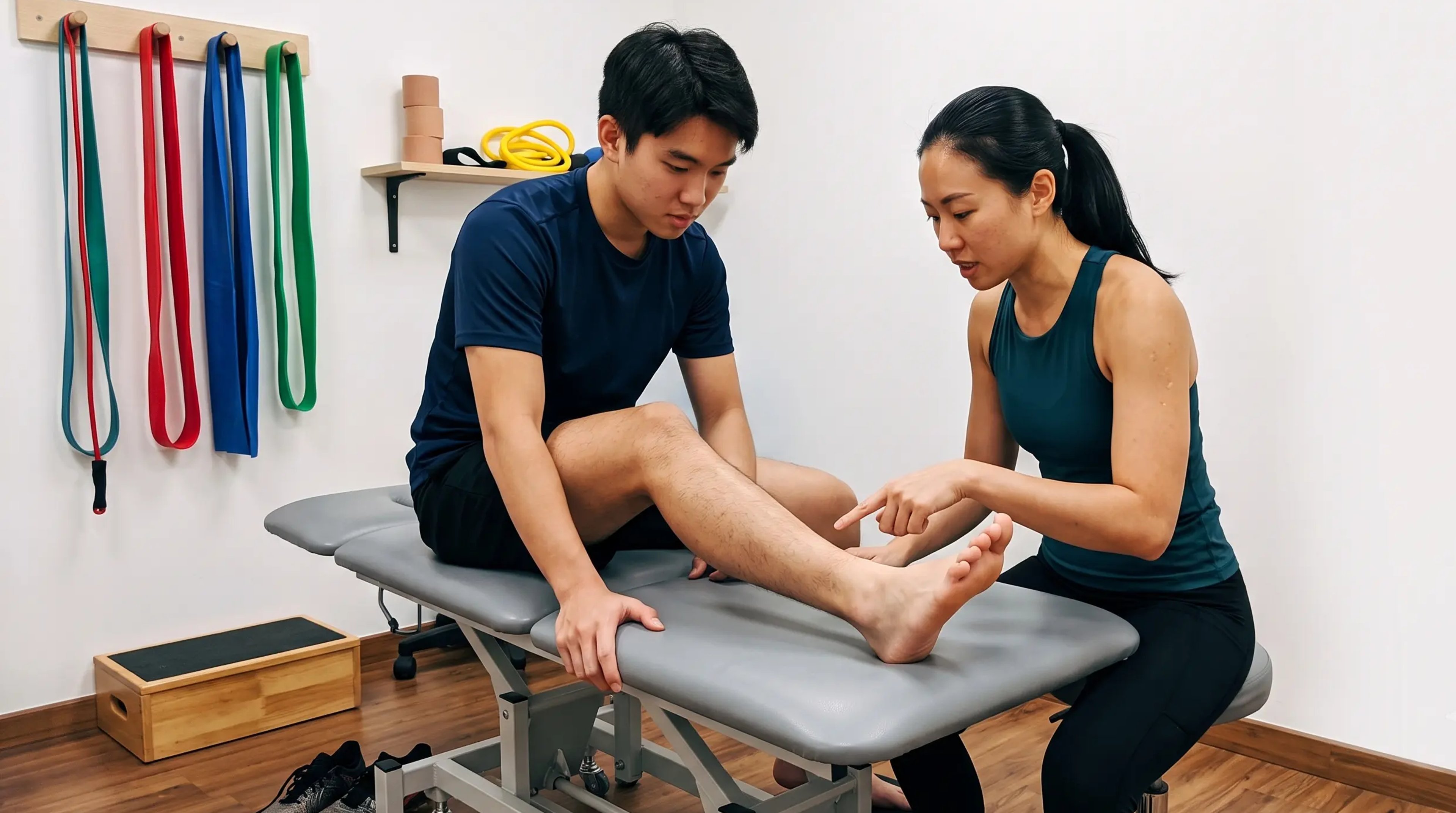
If your shoulder feels heavy overhead or you're not sure where to start, you can book in with our team below:

References:
- Baillargeon, E. M., Seitz, A. L., Ludvig, D., Nicolozakes, C. P., Deshmukh, S. D., & Perreault, E. J. (2024). Older age is associated with decreased overall shoulder strength but not direction-specific differences in the three-dimensional feasible torque space. Journal of Electromyography and Kinesiology, 77, 102889. https://doi.org/10.1016/j.jelekin.2024.102889
- Daly, M., Vidt, M. E., Eggebeen,, J. D., Simpson, W. G., Miller, M. E., Marsh, A. P., & Saul, K. R. (2013). Upper extremity muscle volumes and functional strength after resistance training in older adults. Journal of Aging and Physical Activity, 21(2), 186-207. https://doi.org/10.1123/japa.21.2.186
- Davis, D. L. (2023). Shoulder dysfunction and mobility limitation in aging. Advances in Geriatric Medicine and Research, 5(3). https://doi.org/10.20900/agmr20230008
- McGrath, R., FitzSimmons, S., Andrew, S., Black, K., Bradley, A., Christensen, B. K., Collins, K., Klawitter, L., Kieser, J., Langford, M., Orr, M., & Hackney, K. J. (2023). Prevalence and trends of weakness among middle-aged and older adults in the United States. Journal of Strength & Conditioning Research, 37(12), 2484-2490. https://doi.org/10.1519/jsc.0000000000004560
- Salsali, M., Sheikhhoseini, R., Sayyadi, P., Hides, J. A., Dadfar, M., & Piri, H. (2023). Association between physical activity and body posture: A systematic review and meta-analysis. BMC Public Health, 23(1). https://doi.org/10.1186/s12889-023-16617-4