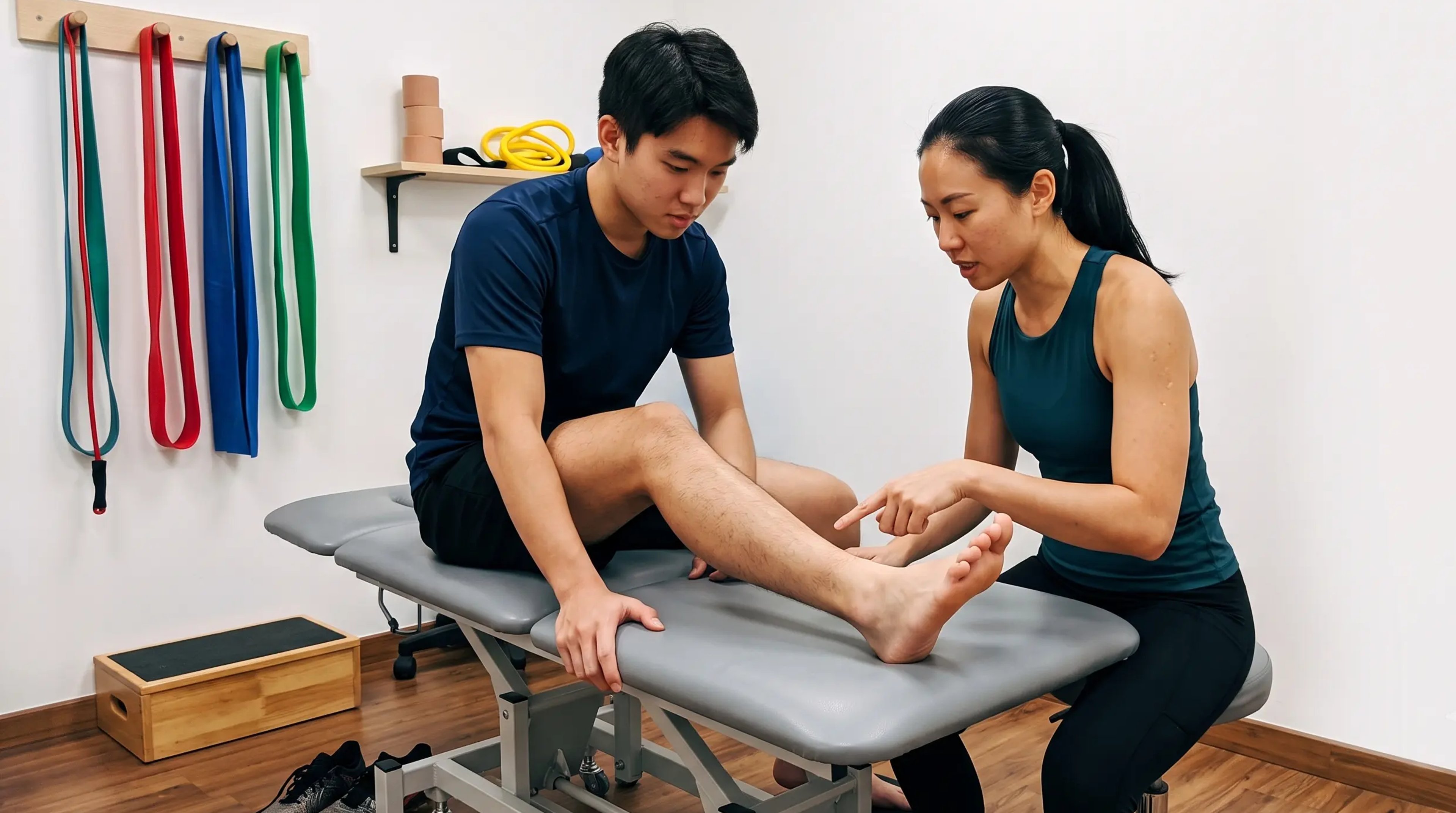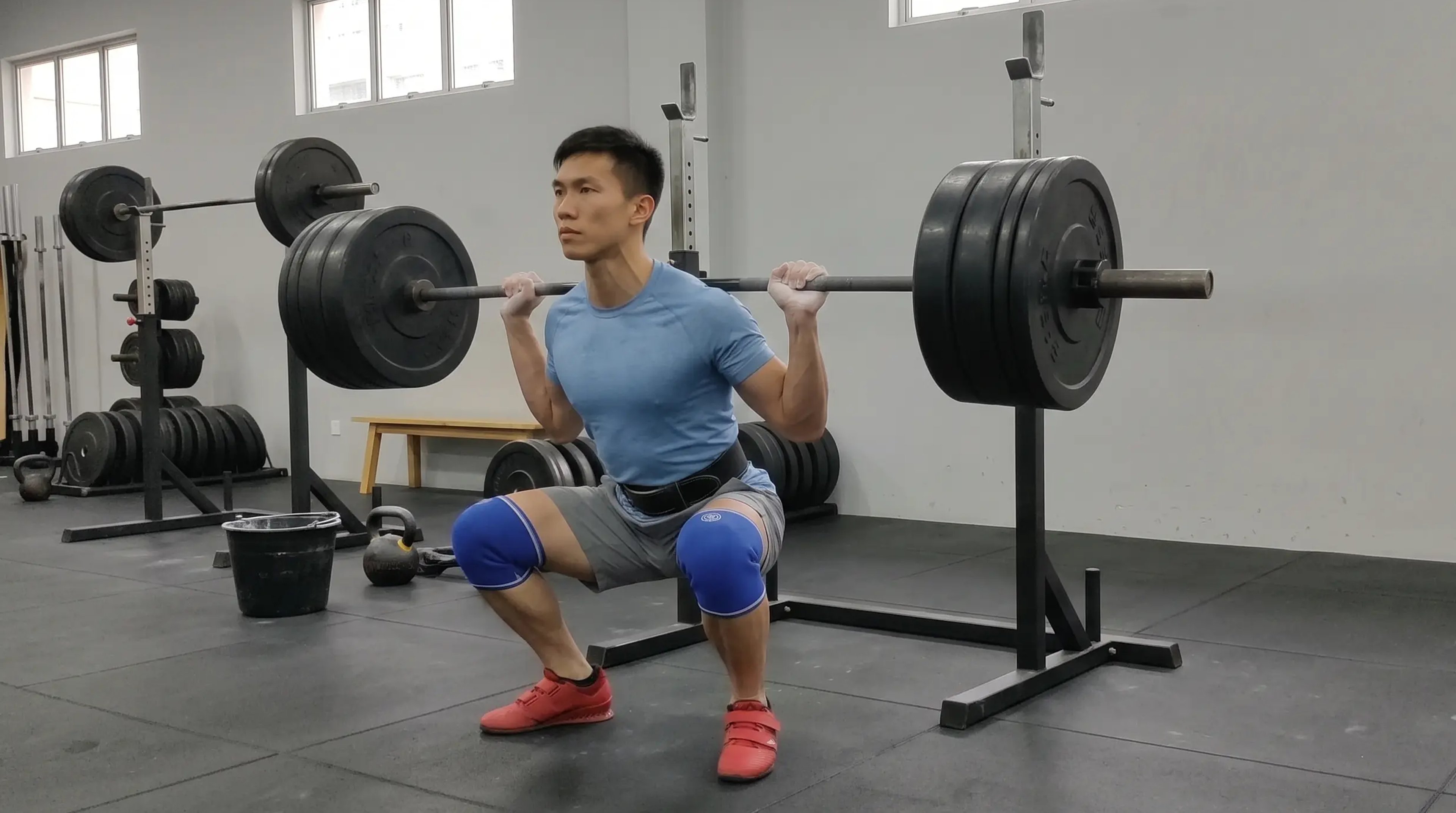

We talk about improving strength, mobility and flexibility to prevent injury, but how do we actually train to achieve that?
Eccentric training is the best bang for buck way to exercise that will target strength and flexibility simultaneously (Vetter et al., 2022).
What is eccentric training?
Also known as ‘negatives’. It’s when the muscle lengthens as it contracts. E.g. Say you’re doing a bicep curl, the upward movement of lifting the weight is the concentric phase, whereas the controlled lowering of the weight down is the eccentric phase.
When load is placed upon a muscle, it can adapt by doing 3 things:
1. Increases cross-sectional area by increasing the pennation angle
2. Increase in muscle fibre and fascicle length
3. Increase in specific muscle fibres (Type 1 & Type 2)
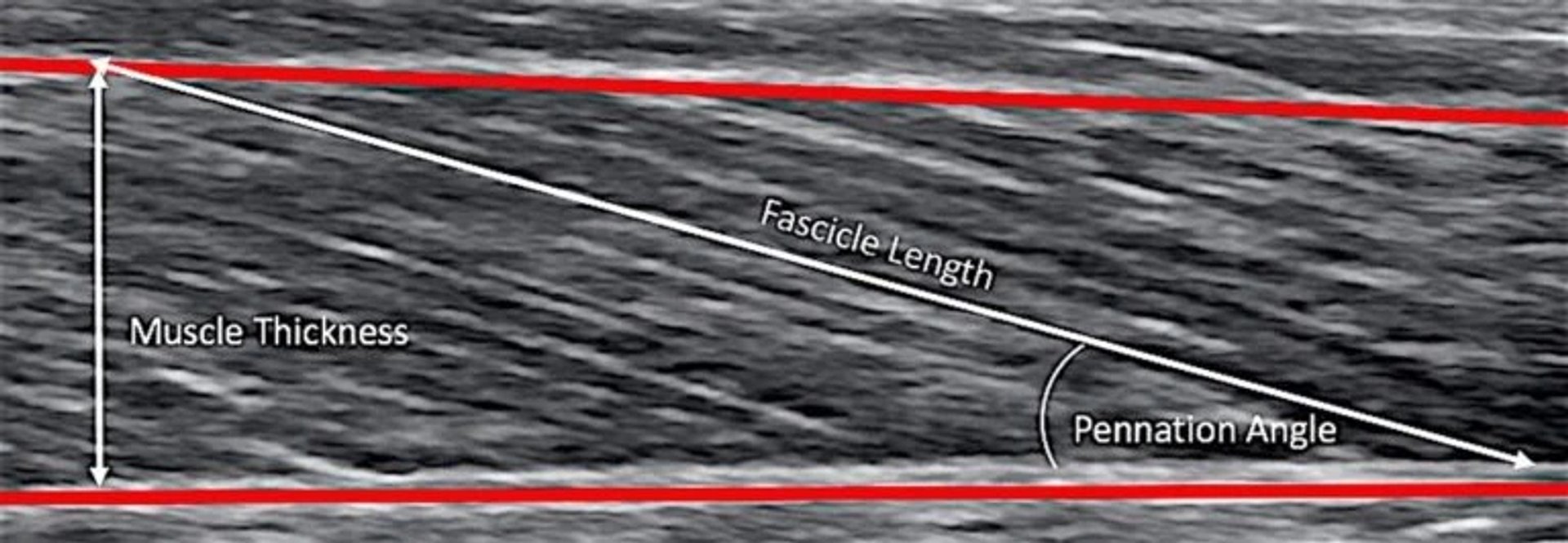
During eccentric training, there is an increase in the muscle’s cross-sectional area, fascicle length and pennation angles. All of which, increases the muscles’ ability to generate force hence reducing the risk of injury (Sharifnezhad et al., 2014).
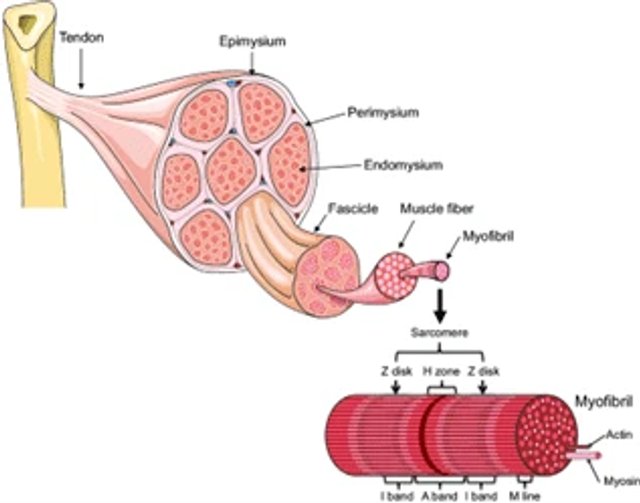
A muscle is composed of many fascicles, which is a bundle of muscle fibres. It is the interaction between the actin and myosin filaments within these fibres, that causes muscle contraction and force generation. Eccentric training stimulates the addition of sarcomeres (i.e. unit of a muscle fibre) to the muscle fibre. This increases the fascicle length, and allows force generation over a greater range of motion. This increases flexibility which is the ability of a muscle to lengthen through a range of motion.
But what about just stretching it out?
If you’re wondering if stretching can also increase the fascicle length & flexibility, there’s evidence to indicate that the increase is so trivial, especially when done at low stretching volumes and intensities. Only with an average stretch of at least 100 seconds – 450 seconds (7.5 minutes), will there be a small increase in length (Panidi et al., 2023).
Furthermore, eccentric training can increase the cross-sectional area by increasing the pennation angle. The greater the pennation angle, it allows more muscle fibres to be packed in the same given volume, and the fibres are at a greater mechanical advantage when the muscle pulls on the bone. All of which will increase the muscles’ ability to generate force.
So now we know eccentric training can improve strength, mobility and flexibility, and prevent injury by changing the muscles’ architecture, how should I add it into my training?
Sharifnezhad’s research investigated how 4 different eccentric exercise protocols effected the fascicle length of the vastus lateralis muscle. What he found was the strength increased after all eccentric exercise, however it was the group that was exercised with the 100% max voluntary contraction over a greater range, that had a significant increase (14%) to the fascicle length compared to the other groups.
Practical tips:
- Start incorporating eccentric exercises into your weekly routine to increase a muscles fascicle length & cross sectional area, and to improve strength and flexibility.
- Perform eccentrics over a greater range of motion to have the greatest increase in fascicle length.
- Start with 3-5 seconds per repetition, 6-10 repetitions, 3-4 sets. Twice a week depending on the muscle group you want to target (Walker et al., 2020).
* Note this is rough guide as the rep and set scheme will vary depending on the training phase.
Some examples of eccentrics
Upper body:
Triceps: skull crutches with negatives on the way down
Biceps: bicep curls with negatives on the way down
Lats: Assisted chin ups with negatives on the way down
Lower body:
Quads: Reverse Nordics
Hamstrings: Nordics
Calves: calf raises on a step with negatives on the way down
Reference:
- Vetter, S. et al. (2022) ‘The effects of eccentric strength training on flexibility and strength in healthy samples and laboratory settings: A systematic review’, Frontiers in Physiology, 13. doi:10.3389/fphys.2022.873370.
- Sharifnezhad, A., Marzilger, R. and Arampatzis, A. (2014) ‘Effects of load magnitude, muscle length and velocity during eccentric chronic loading on the longitudinal growth of vastus lateralis muscle’, Journal of Experimental Biology [Preprint]. doi:10.1242/jeb.100370.
- Panidi, I. et al. (2023) ‘Muscle architecture adaptations to static stretching training: A systematic review with meta-analysis’, Sports Medicine – Open, 9(1). doi:10.1186/s40798-023-00591-7.
- Walker, S. et al. (2020) ‘Increased fascicle length but not patellar tendon stiffness after accentuated eccentric-load strength training in already-trained men’, European Journal of Applied Physiology, 120(11), pp. 2371–2382. doi:10.1007/s00421-020-04462-x.