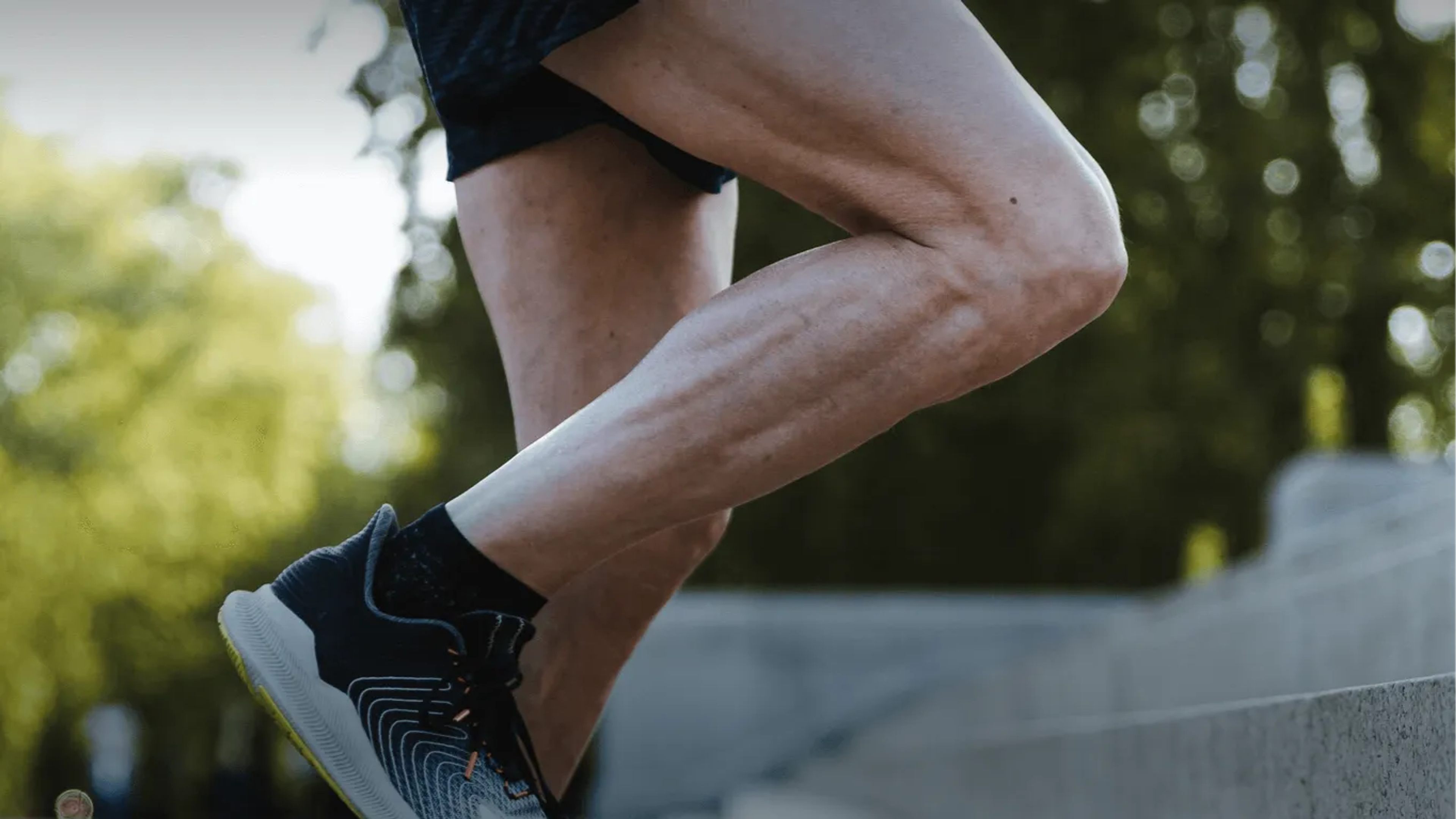

When was the last time you did calf raises?
With a rise in runners during the pandemic and return to sport after the summer break, we’ve seen a spike in calf tears, achilles tendinopathy and plantarfasciitis. This could be avoided by maintaining adequate calf strength and managing load.
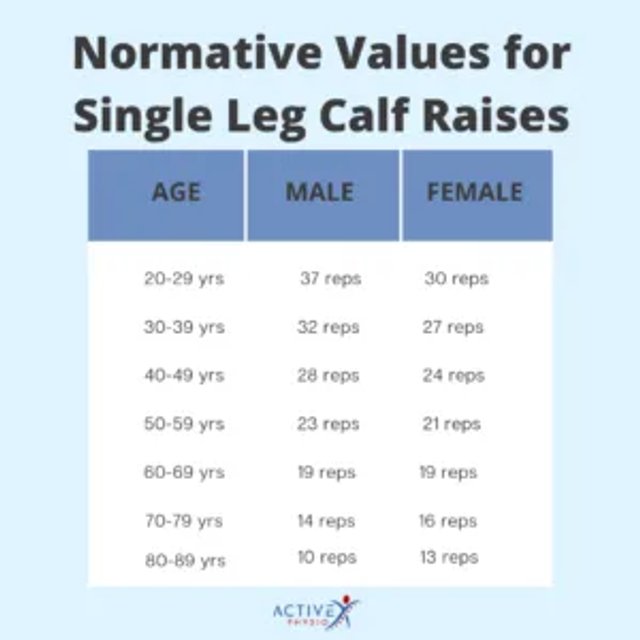
Single leg calf raises is a highly reliable test to assess the strength and endurance of our plantar flexors (Hébert-Losier, et al., 2017).
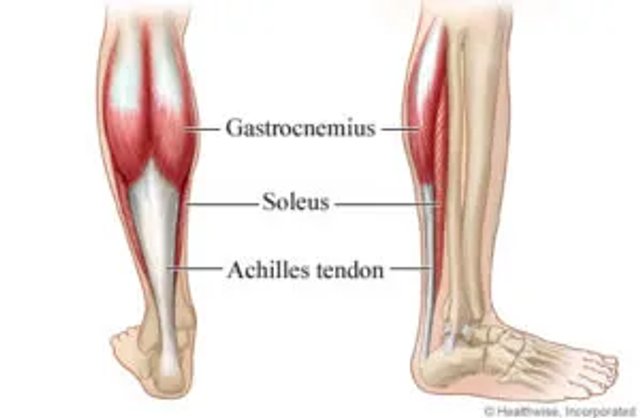
The calf comprises of 2 muscles – the gastrocnemius (most superficial) and the soleus (under the gastrocnemius) and is often forgotten. They have different functions.
The Gastrocnemius originates above the knee joint and attaches via the achilles tendon to the calcaneus (heel bone). Because this muscle crosses the knee, it’s function is to flex the knee joint and plantarflex the ankle, and is most effective in knee extension (straight knee).
Gastrocnemius has approximately half fast twitch fibers and slow twitch fibers. Fast twitch fibers can produce high force in a very short time, however fatigue quickly. They are great for sprinting, jumping and powerlifting.
The soleus inserts below the knee joint and attaches via the achilles tendon to the calcaneus. Its function is plantarflexion of the ankle and stabilising the tibia on the calcaneus. This muscle is predominantly (80%) slow twitch fibers meaning they are fatigue resistant and engage during endurance running (Gollnick et al., 1974).
When we run, the soleus takes 6-8x body weight of force and the gastroc takes 1.5-3x body weight of force. Without adequate calf strength and endurance, there is a higher risk of calf injuries and tendinopathies.
How to train our calves?
- Complete the calf strengthening program on instagram @activexphysio 3 times a week.
- Once you’re able to do the adequate number of calf raises for your gender and age, add weight.
- Incorporate both straight knee calf raises for Gastrocnemius, and seated bent knee calf raises for Soleus.
For a review with our team, you can book in a session below:

References:
- Hébert-Losier, K., Wessman, C., Alricsson, M. and Svantesson, U., 2017. Updated reliability and normative values for the standing heel-rise test in healthy adults. Physiotherapy, 103 (4), pp. 446-452.
- Gollnick, P., Sjdin, B., Karlsson, J., Jansson, E. and Saltin, B., 1974. Human soleus muscle: A comparison of fiber composition and enzyme activities with other leg muscles. Pflgers Archiv European Journal of Physiology, 348(3), pp.247-255.o