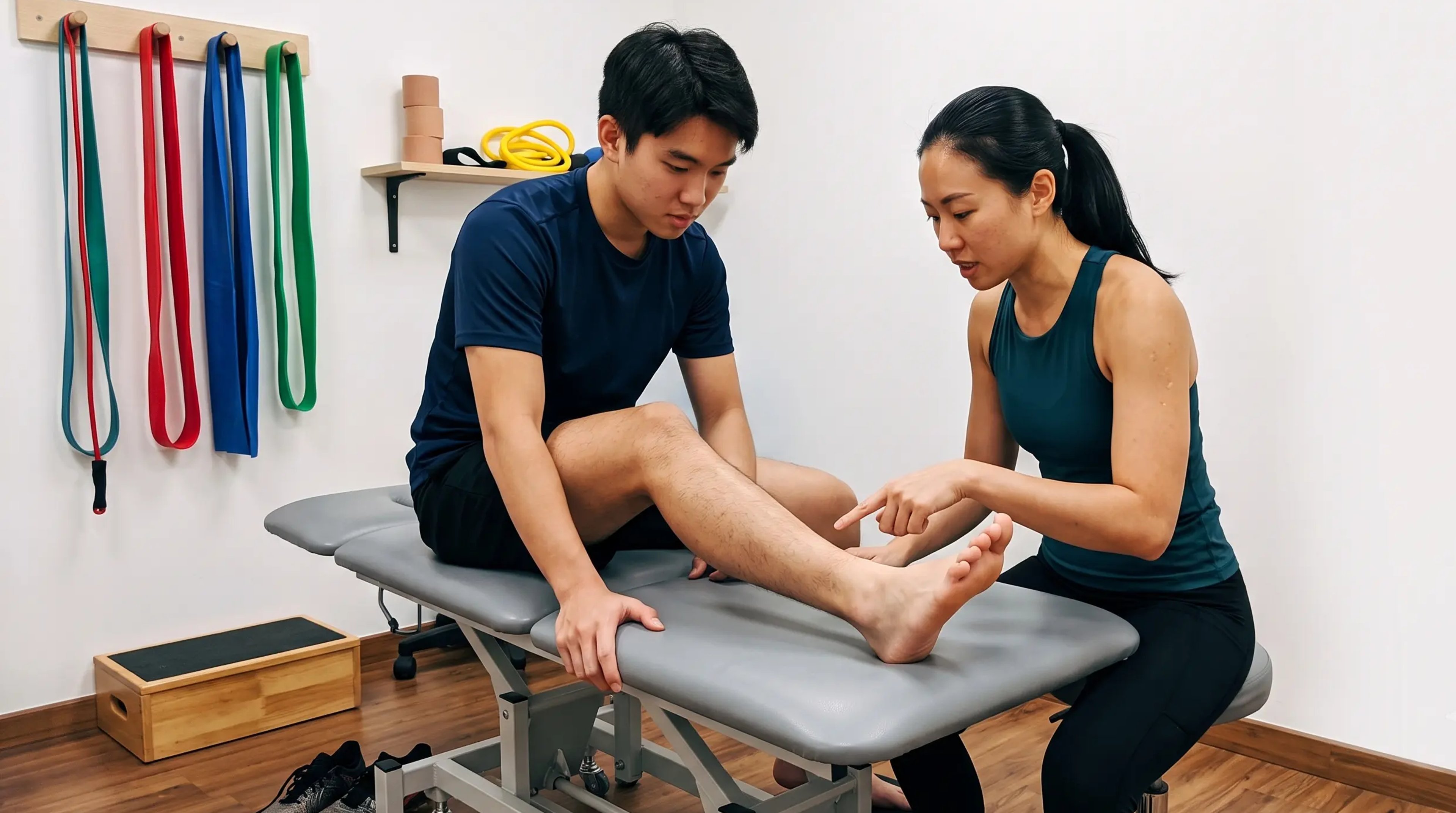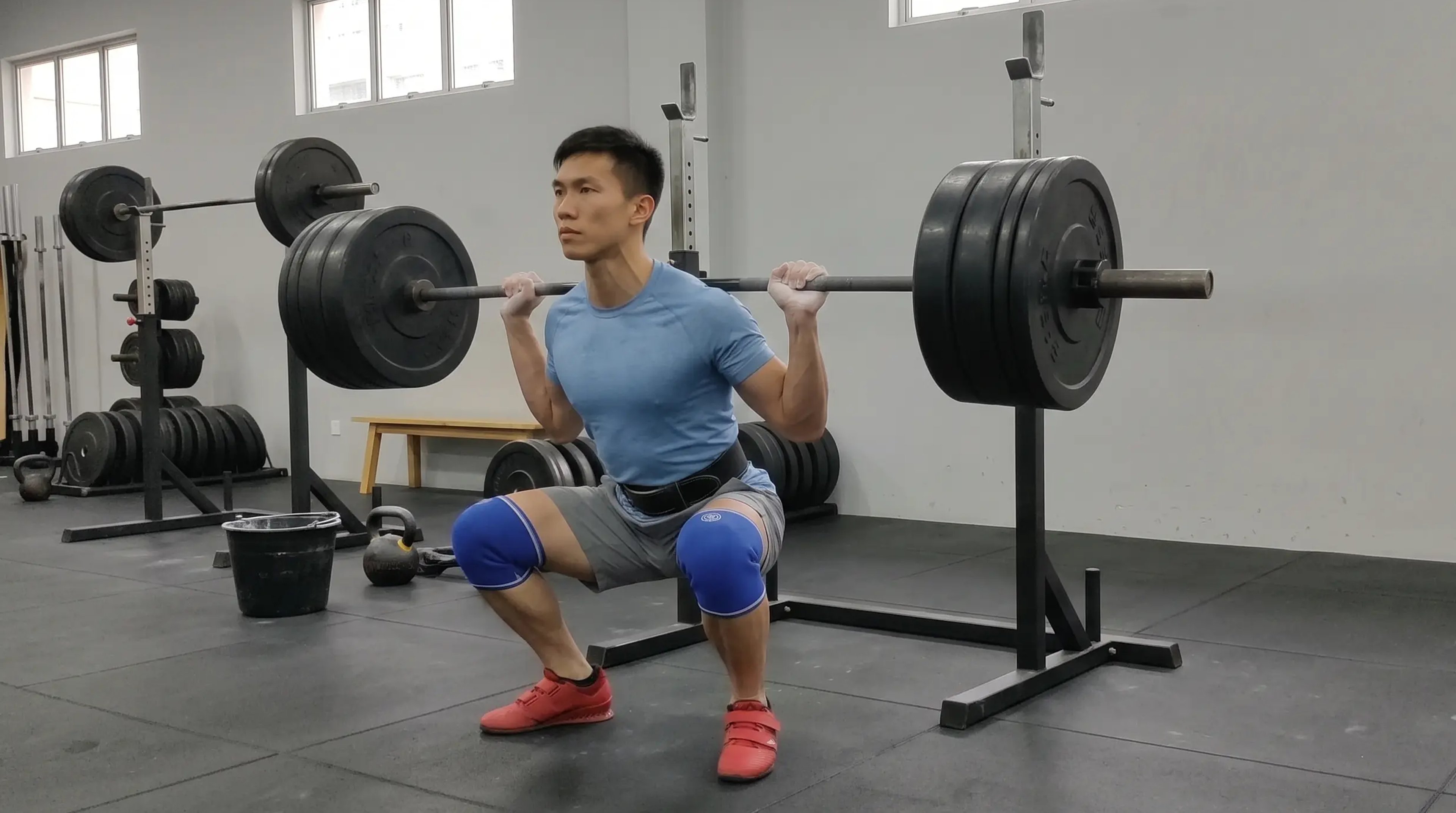

Many people stretch with the purpose of reducing injury and soreness, and to improve performance. There’s been many discussions about stretching over the years. From individuals recommending static stretching prior to exercise, to dynamic stretching to not stretching at all. So what is true?
Numerous research suggests that stretching pre and/or post exercise has no clinically significant effect on delayed onset muscle soreness (Herbert, de Noronha and Kamper, 2011), and no significant effect on risk of injuries (Jamtvedt et al., 2009).
What does stretching do
Research shows there’s a small reduction in risk of bothersome soreness (Jamtvedt et al., 2009).
Does pre-exercise stretching effect power and strength?
The detrimental effects of static stretching is mainly limited to a hold of greater than 60 seconds. Dynamic stretches or static muscle stretches less than 45 seconds can be performed pre-exercise without compromising maximal muscle performance (Kay and Blazevich, 2012).
Take Home Message
- Stretching has no effect on reducing delayed onset muscle soreness or risk of injury. It has a small reduction in bothersome soreness.
- If you choose to stretch pre-exercise, keep it <60 seconds so it doesn’t hinder your maximal muscle performance.
References:
- Herbert, R., de Noronha, M. and Kamper, S., 2011. Stretching to prevent or reduce muscle soreness after exercise. Cochrane Database of Systematic Reviews,.
- Jamtvedt, G., Herbert, R., Flottorp, S., Odgaard-Jensen, J., Havelsrud, K., Barratt, A., Mathieu, E., Burls, A. and Oxman, A., 2009. A pragmatic randomised trial of stretching before and after physical activity to prevent injury and soreness. British Journal of Sports Medicine, 44(14), pp.1002-1009.
- Kay, A. and Blazevich, A., 2012. Effect of Acute Static Stretch on Maximal Muscle Performance. Medicine & Science in Sports & Exercise, 44(1), pp.154-164.