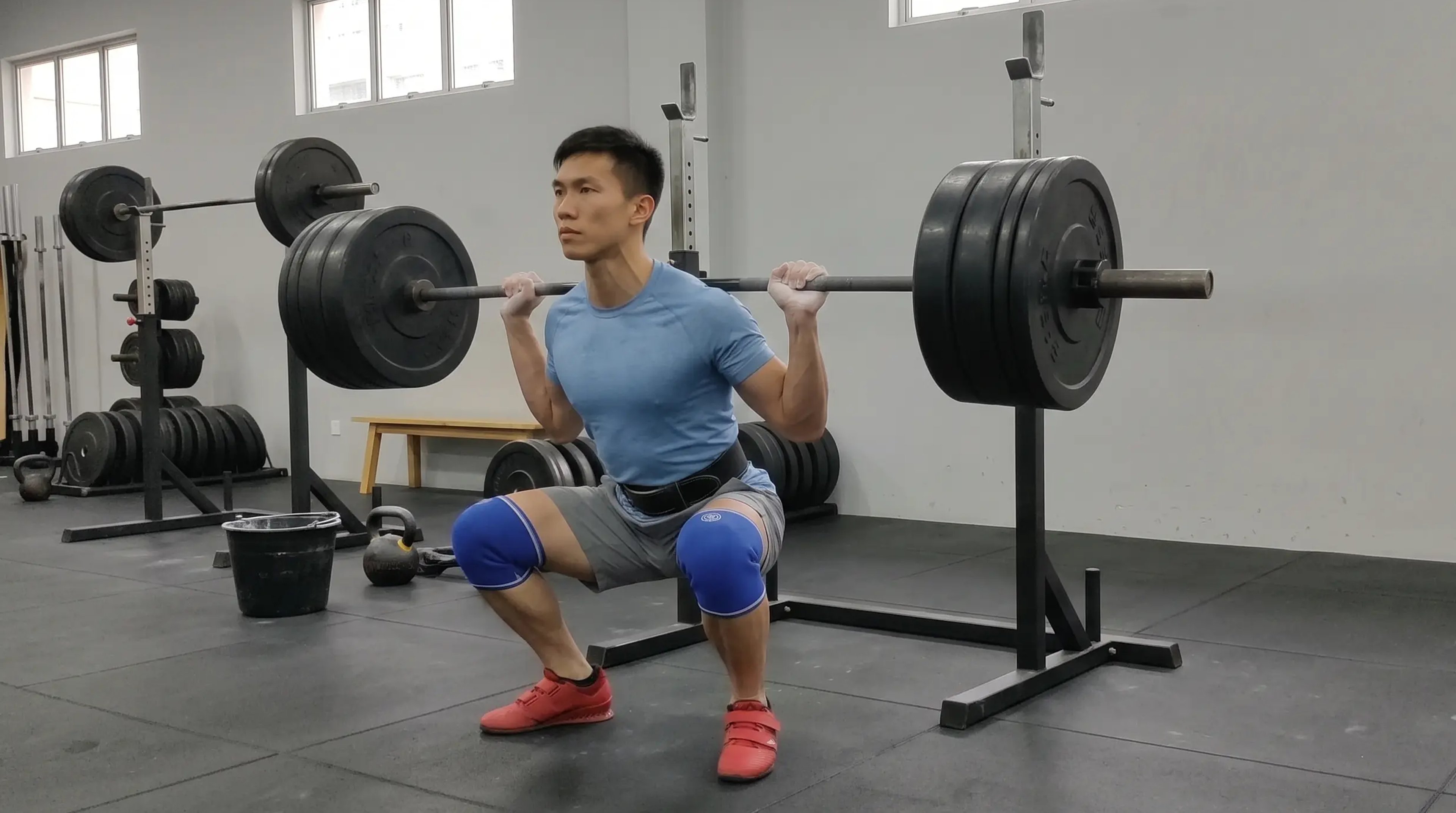

Strength and muscle survive a short training break better than they get credit for. One to two weeks of complete rest produces little measurable loss, cardiovascular fitness fades sooner but rebuilds quickly, and tissue you've built before returns faster than it took to build the first time. A properly taken break costs almost nothing and often returns you training better than before it. This guide covers when to take one, what a break actually costs, how to deload instead of stopping outright, and how to come back without getting hurt.
Signs You Need a Break
Training only makes you fitter if you recover from it, and when recovery falls behind, the body starts signalling. The signs worth watching:
- An elevated resting heart rate
- A lower heart rate than usual at your normal training intensity
- Trouble falling asleep despite feeling tired
- Weakness or lethargy through the day
- Trouble focusing
- Sore joints
- Flat motivation to train, or a quiet dread of it
Two or more of these at once, and it's time to back off, either with a full break or a deload week. Adaptation happens during recovery, not during the session, which is why planned rest sits inside every serious training program rather than outside it.
What a Break Actually Costs
Stop training and the adaptations reverse, but the timeline is kinder than feared. A week or two of complete rest won't produce visible muscle loss, and strength holds even longer than size. Aerobic fitness declines sooner, becoming measurable within a few weeks of stopping entirely. The losses aren't symmetrical with the recovery either: muscle you've built before regains its previous size and strength far faster than the original building took, so even a longer layoff sets you back weeks, not months.
A break also doesn't have to mean zero. Swapping your usual training for different activity, hiking, swimming, a casual sport, gives the systems you normally load a genuine rest while keeping you moving, and it works on the mind the same way it works on the tissue.
The Deload Week
A deload keeps you training while the body catches up: one scheduled week at reduced intensity or volume before the next block ramps up. Three ways to run one:
- Drop the load. Keep your normal sets and reps, cut the weight to 50 to 60% of usual.
- Drop the volume. Keep your normal weight, cut sets and reps to around half.
- Drop both, keep the skill. Light weight, full movements, attention on technique.
Pick one approach and hold it. Blending them until the week is secretly still hard defeats the purpose; a deload done right feels too easy.
Staying Active During a Break
The World Health Organization's guideline for adults is 150 to 300 minutes of moderate activity a week, and a complete training break shouldn't drop you below it. Long walks, easy swims, and cycling all count, and doing them with someone else makes them likelier to happen. Plan loosely: a rough schedule that fits your actual week beats an ambitious one you abandon by Wednesday, so decide honestly whether you're the 6am run person or the evening walk person and build around that.
Returning to Training
After one to two weeks off, a trained lifter or runner can get close to previous loads within a session or two. The risk in the first week back isn't lost fitness, it's loading too much too fast onto tissue that's been unloaded, so ramp back over a week or two instead of testing yourself on day one. The strength returns on its own schedule regardless, and rushing it adds injury risk without adding progress.
The Bottom Line
Take breaks on purpose instead of by breakdown. Watch for the warning signs, deload when training accumulates faster than you recover from it, and treat time off as part of the program. If you're carrying a niggle into every session and a deload hasn't cleared it, that's no longer fatigue, and it's worth an assessment.